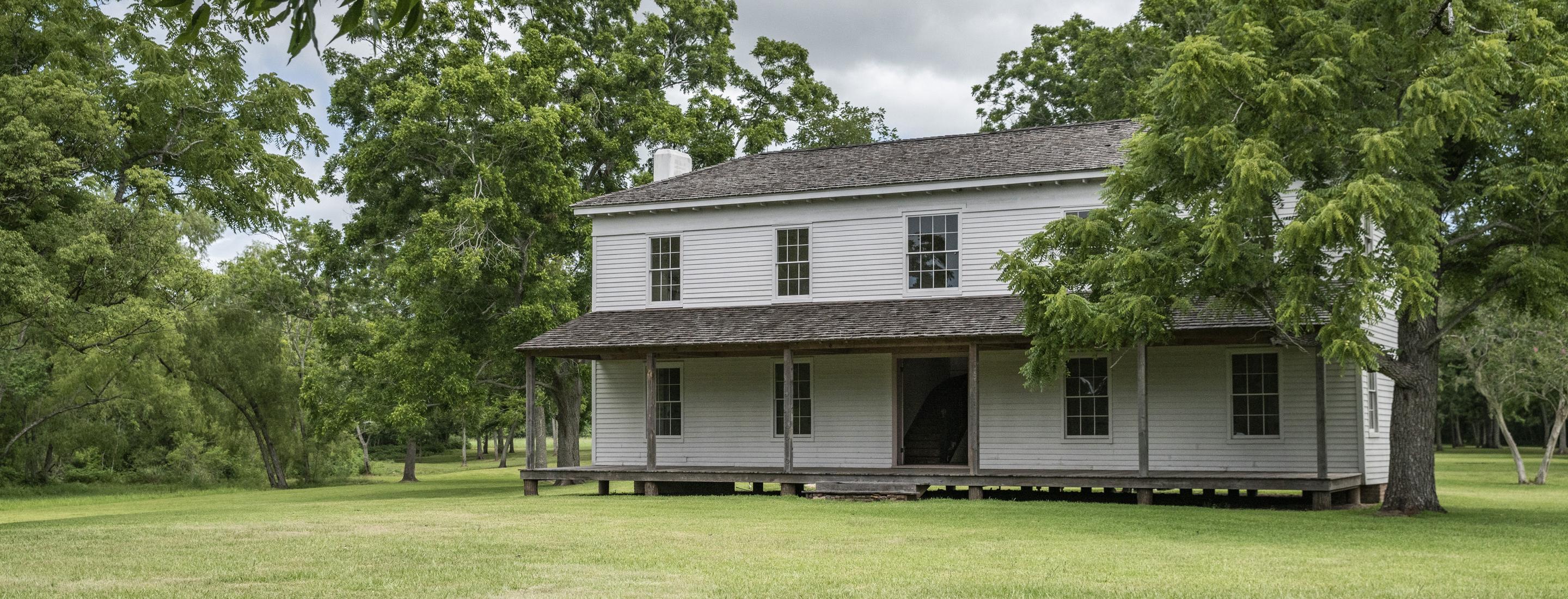
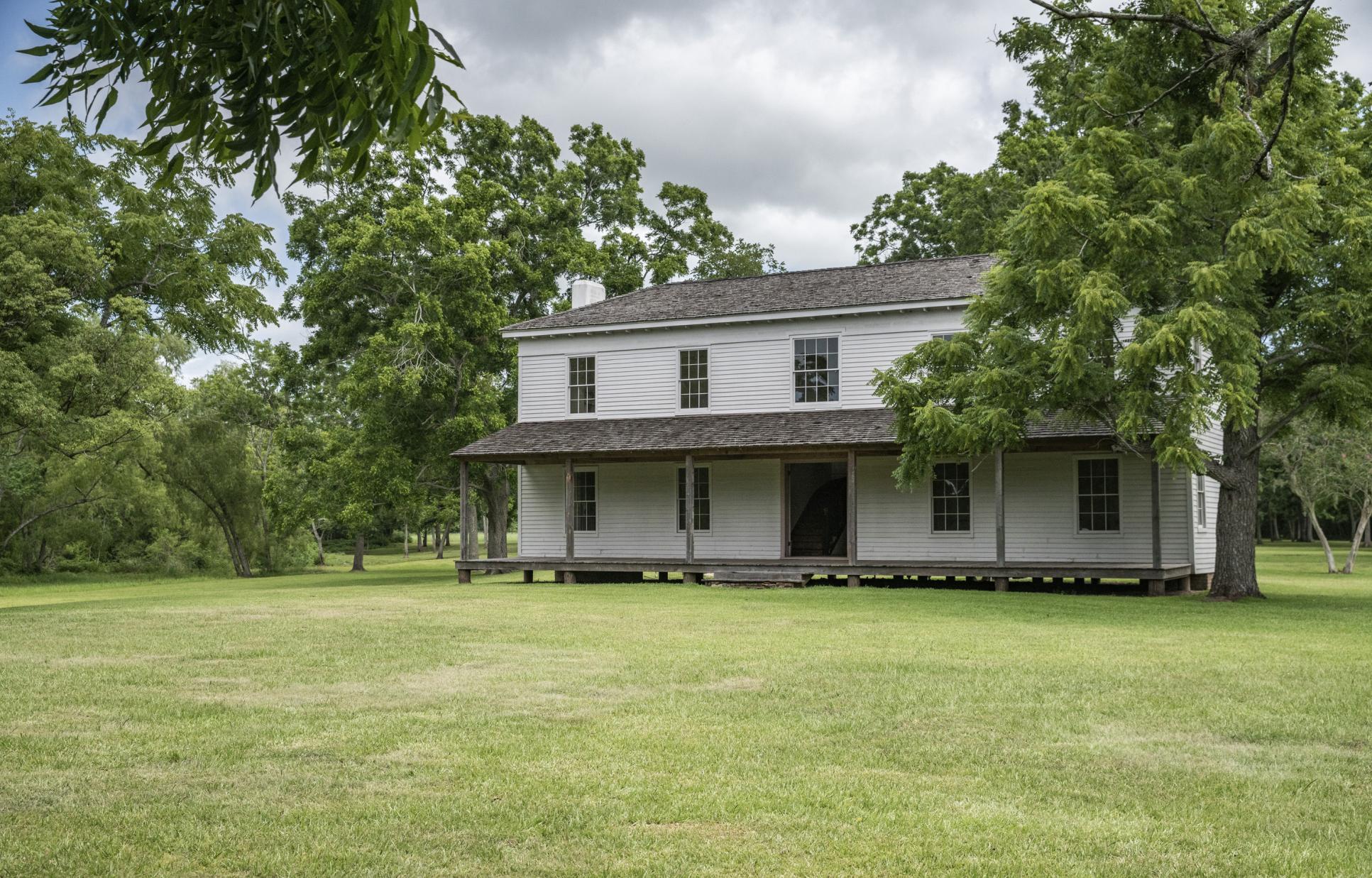
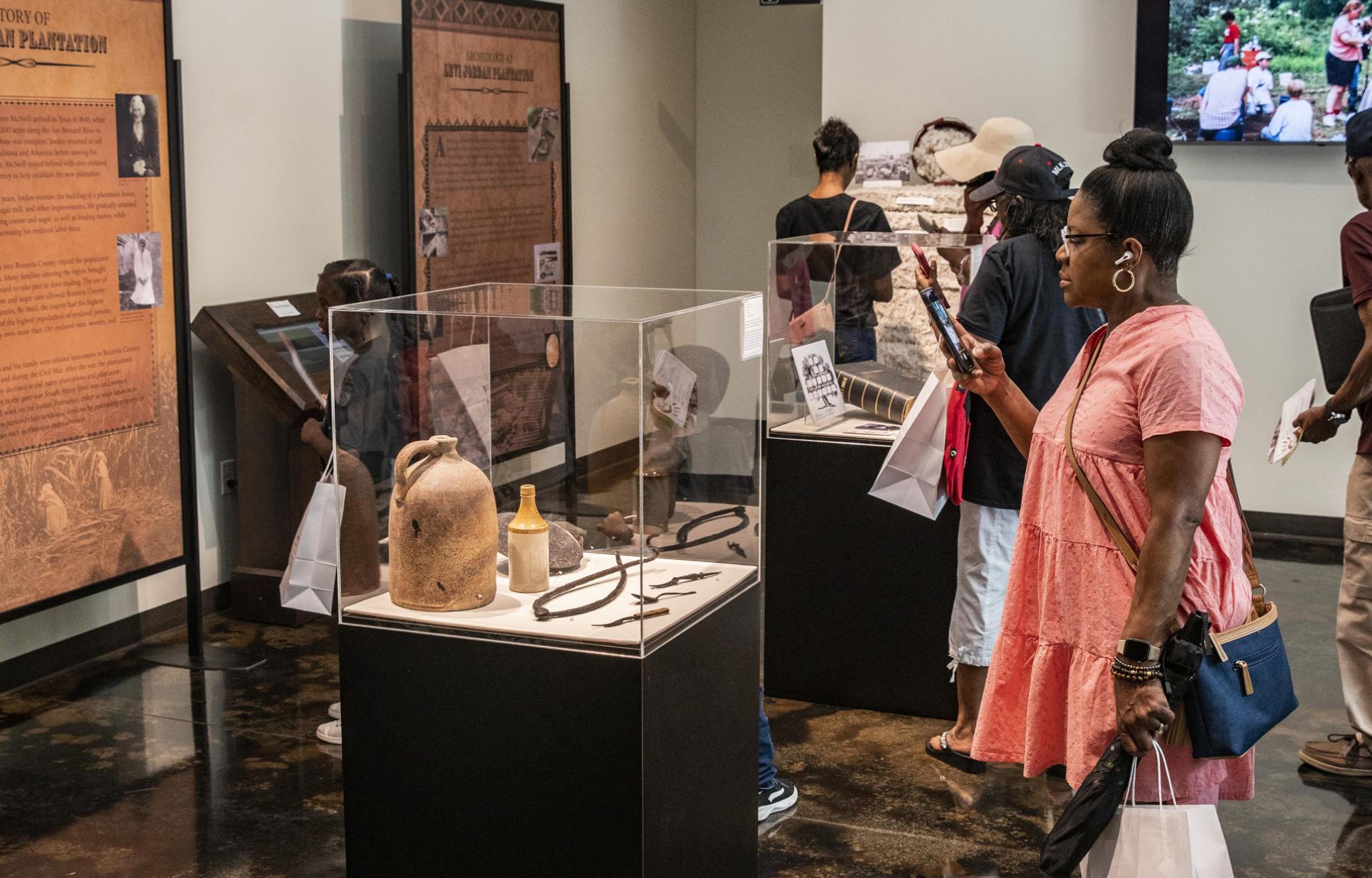
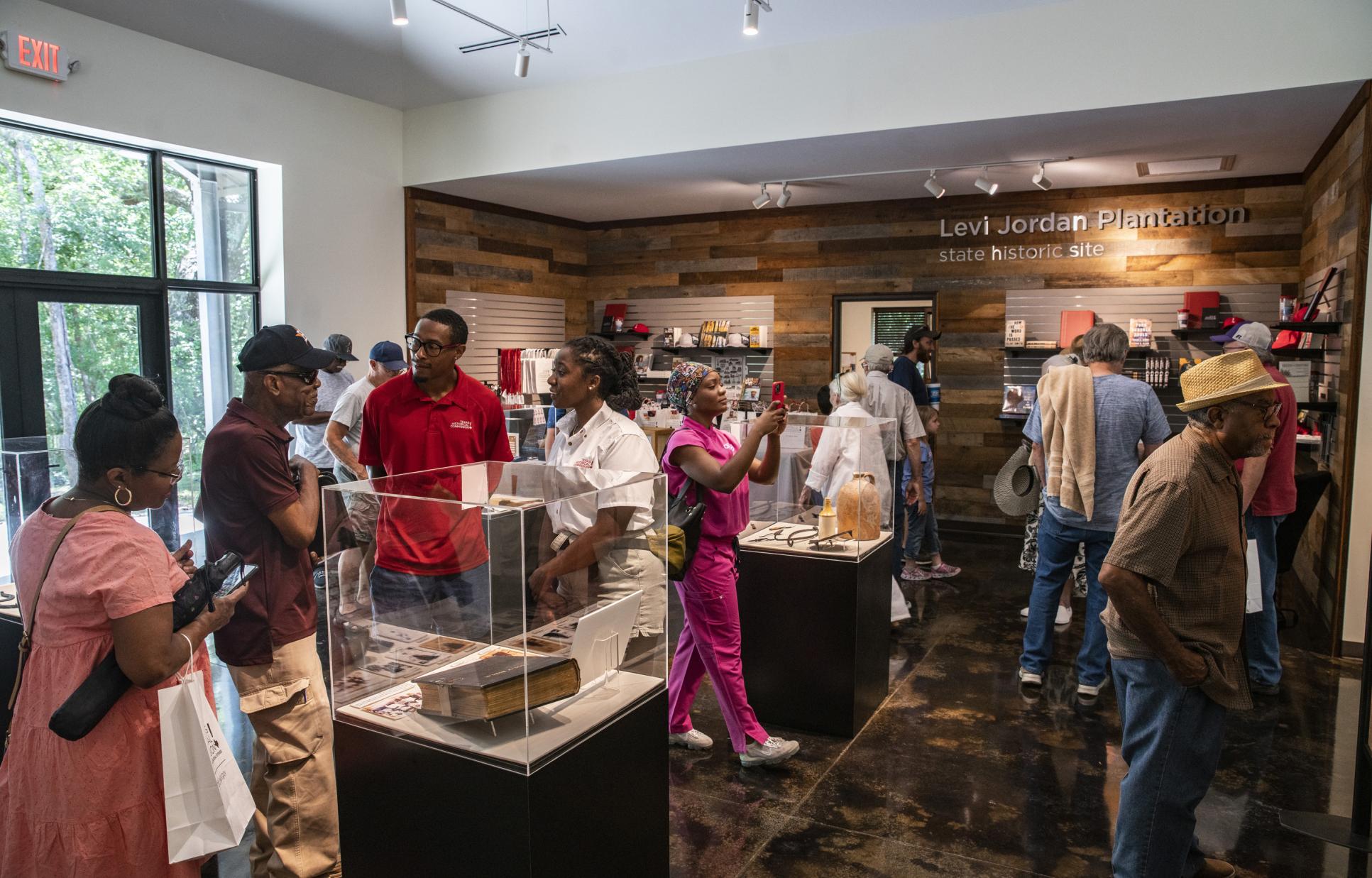
Significant to the antebellum period of Texas history and the tumultuous era of Reconstruction, this site hosted a sizable plantation operation and two-story Greek Revival-style house. Levi Jordan moved his family and enslaved workers to Texas to establish a sugar and cotton plantation on the San Bernard River in the late 1840s. The site highlights the multiple perspectives and evolving relationships of those who lived and worked on the land during the 19th century. Today, the Levi Jordan Plantation provides a unique opportunity to understand the evolving agricultural history of the South and the early African American experience in Texas.


Hours
Wednesday to Sunday
9 a.m.–5 p.m.

Tickets
Adult $10
Senior/Veteran/Teacher/First Responder $8
Child (6-17) $5
Child (5 and under) Free
Family (2 adults & 1 child) $22, each additional child $1
Admission provides access to both Levi Jordan and Varner-Hogg Plantations

Programs
Public Tours
Special Events
School Programs
See the site




Plan Your Visit
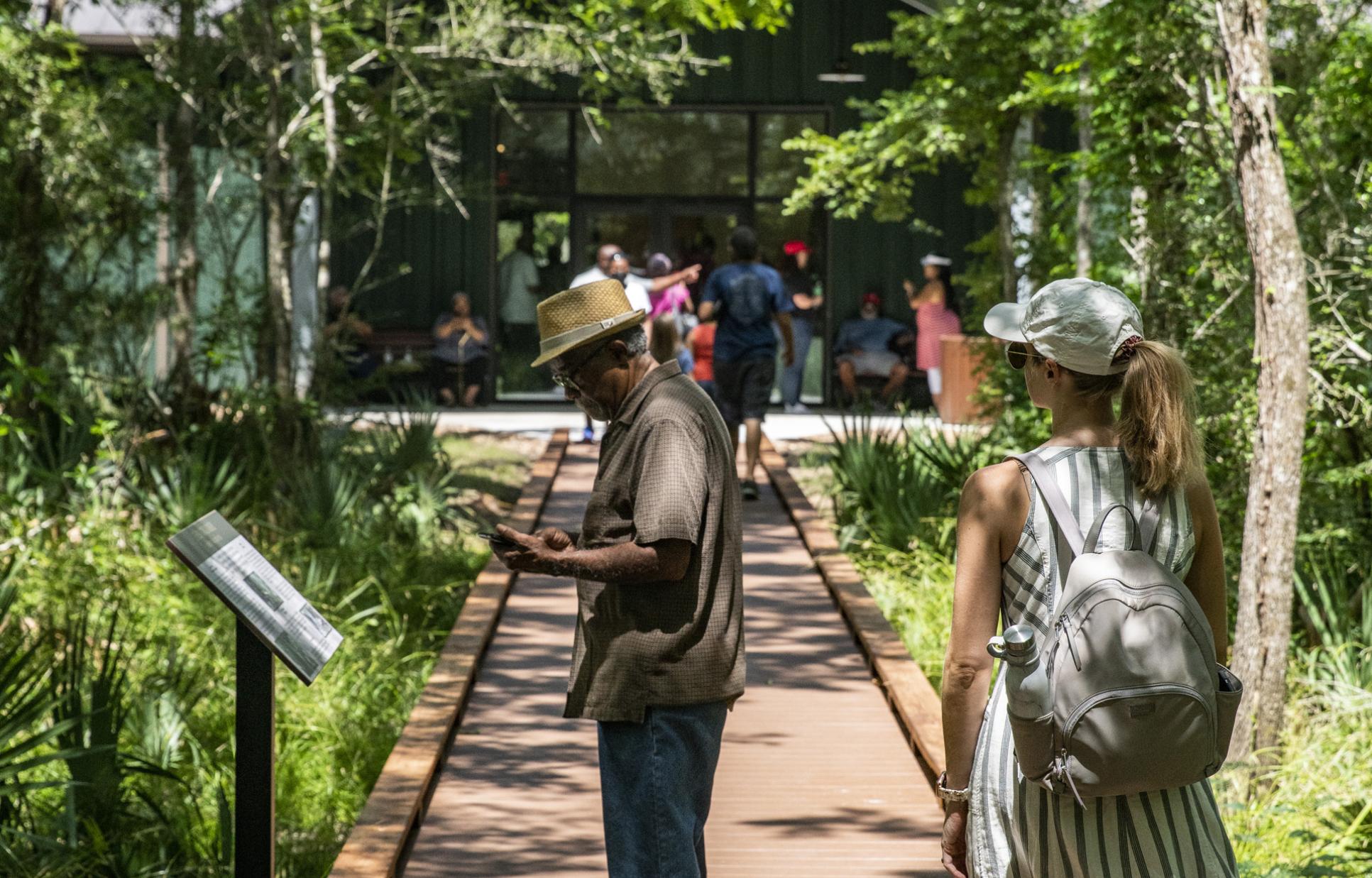
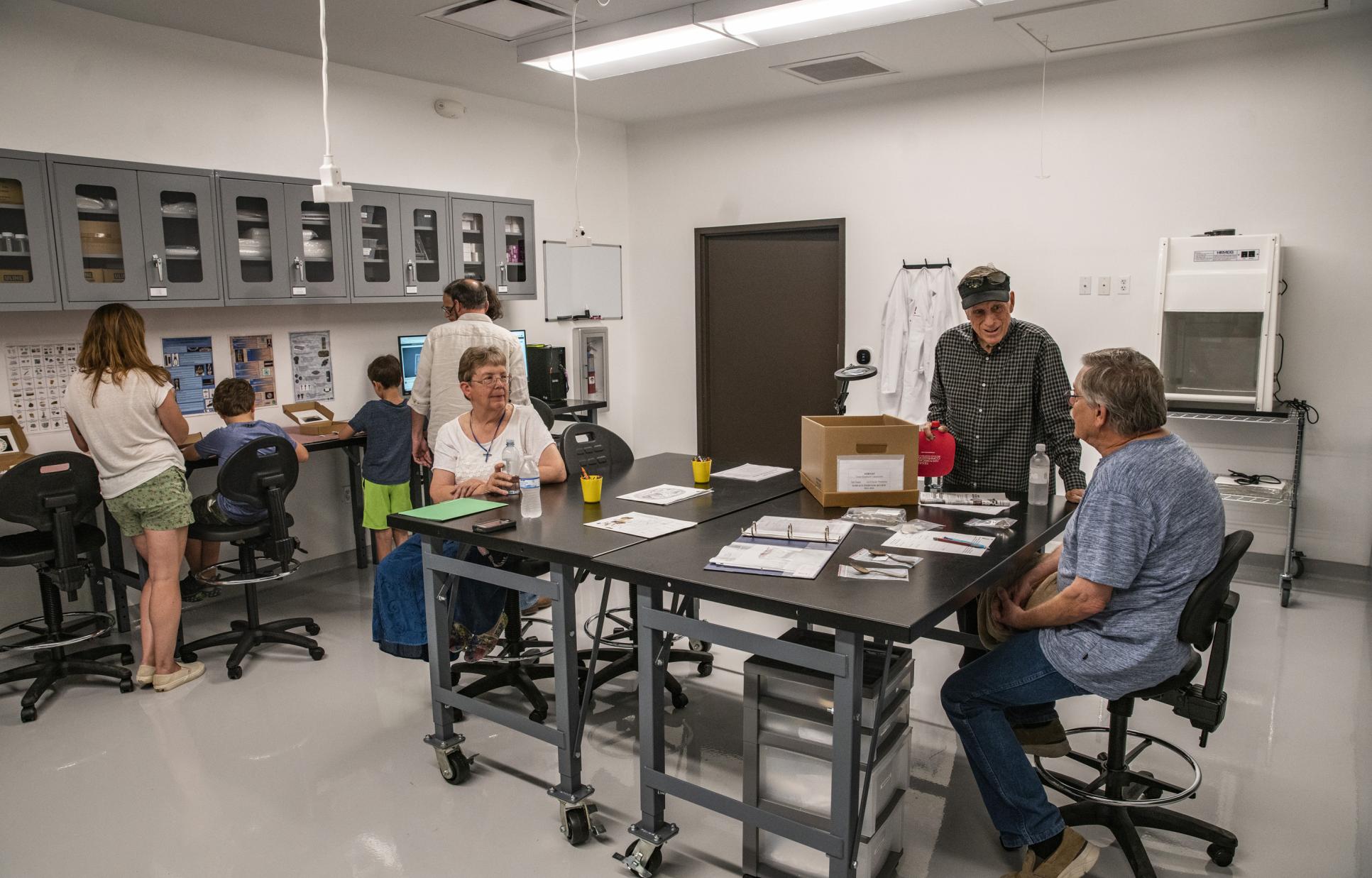
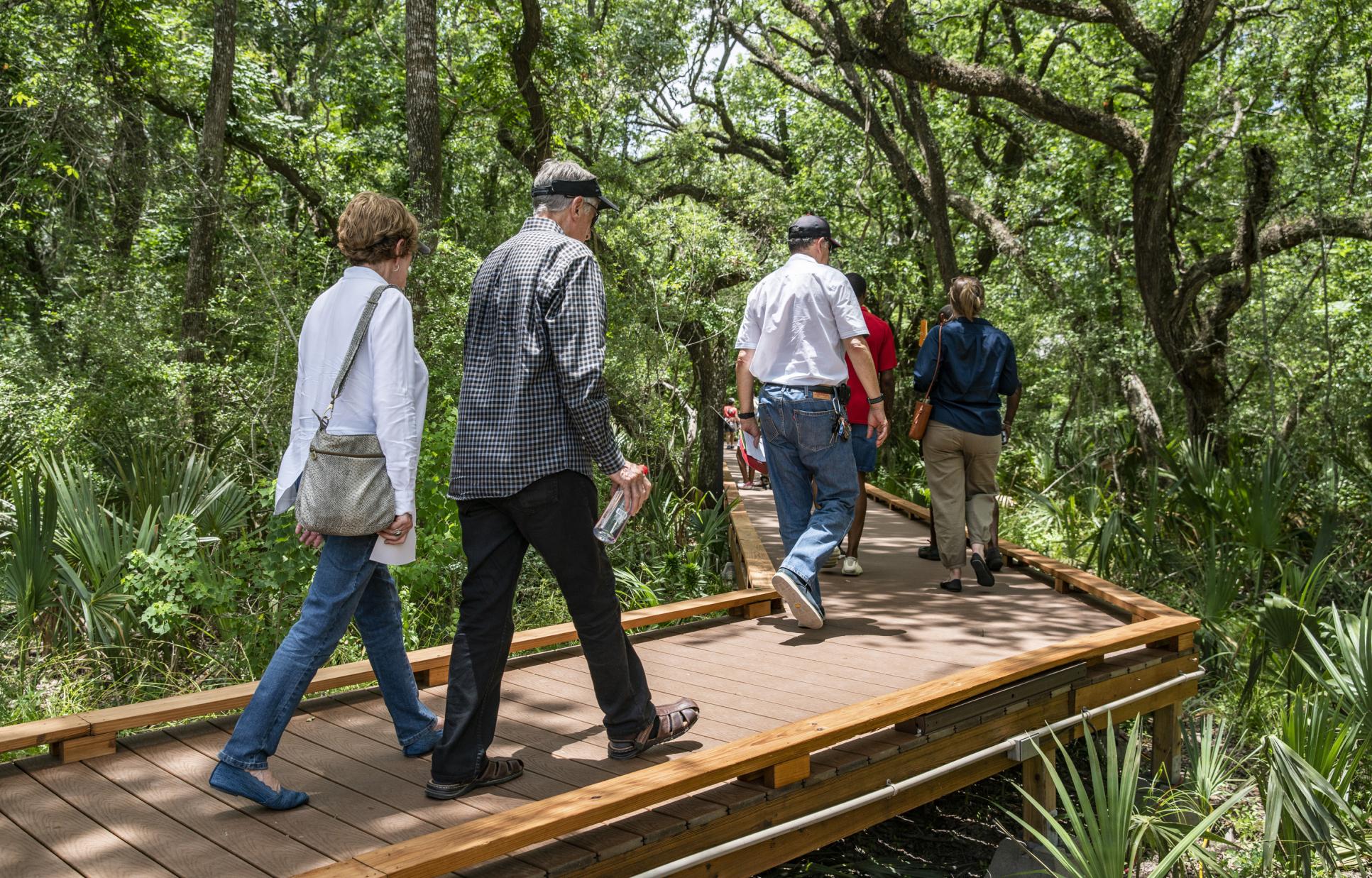
Find out all there is to do at the site and surrounding area.

Levi Jordan History
In 1848, Jordan purchased a half-league (2,214 acres) of mostly uncleared woods and prairie in Brazoria County.
Events at Levi Jordan Plantation

Spatulas and Storytelling Summer Camp! - Day 2
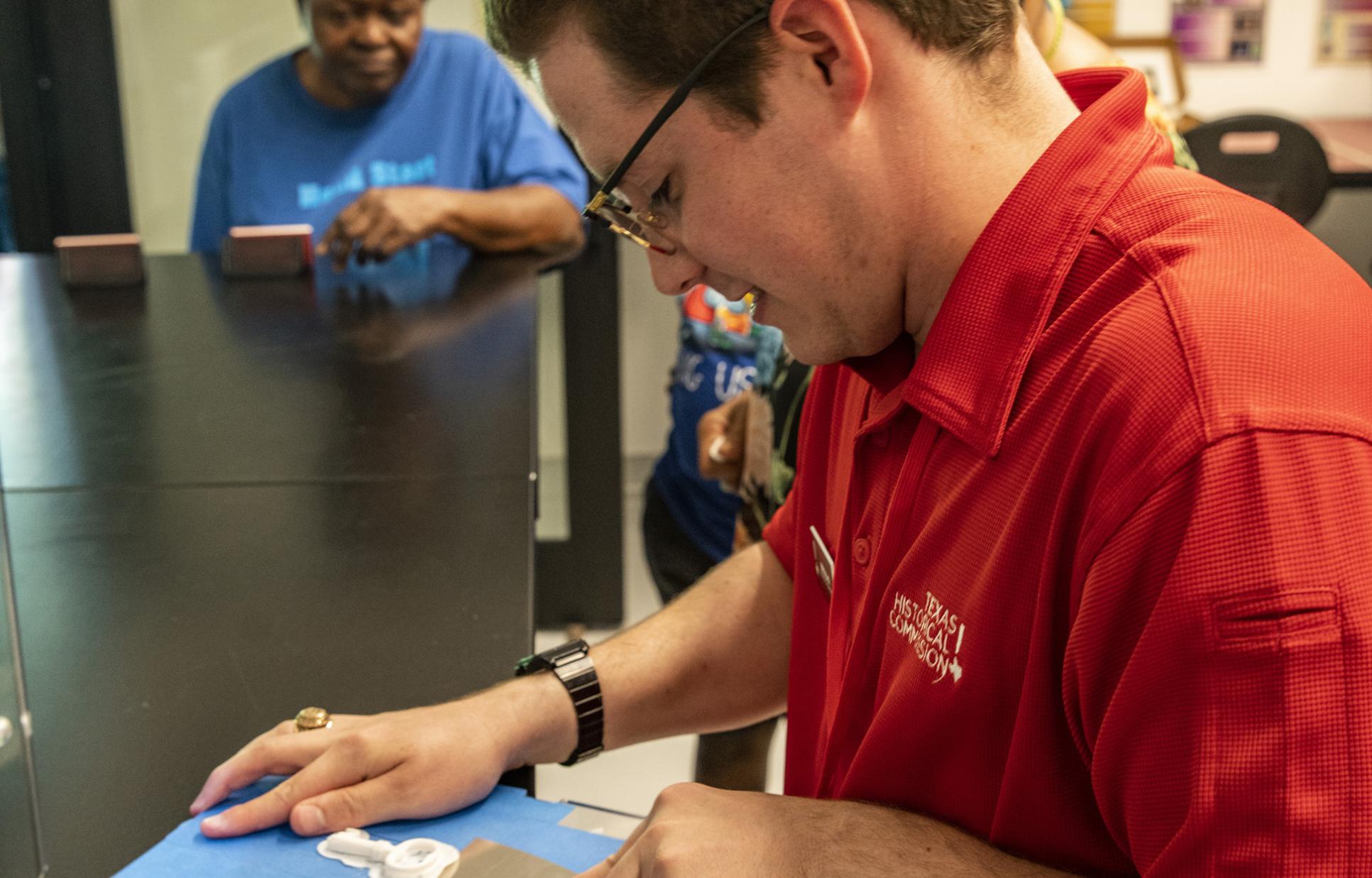
Join us for a camp of cooking demonstrations and storytelling as we explore the Levi Jordan Plantation's history. Your little one will get hands-on experience cooking while exploring the cultural importance of food, as well as being able to hear a presentation and stories by renowned folklorist, Donna Ingham, author of Tales with a Texas Twist!
Spatulas and Storytelling Summer Camp! - Day 3
Join us for a camp of cooking demonstrations and storytelling as we explore the Levi Jordan Plantation's history. Your little one will get hands-on experience cooking while exploring the cultural importance of food, as well as being able to hear a presentation and stories by renowned folklorist, Donna Ingham, author of Tales with a Texas Twist!

On the Plantation Porch
Join us on June 29 from 4:00pm to 6:30pm at the Levi Jordan Plantation for "On the Plantation Porch." Dr. Ronald Goodwin will present his book, Remembering the Days of Sorrow, and join in a discussion about the importance of his research.
Levi Jordan Plantation in the Blog
Plantations' Past
Since Texas’ colonization, people of African descent have been contributing to the state and its history. With their arrival in Texas as early as 1528, African Americans—whether enslaved or free—were instrumental in settling Spanish Texas.
Juneteenth: Freedom Comes to Texas
On June 19, 1865, Union troops in Texas began to enforce the end of slavery following the Civil War. Approximately 250,000 enslaved Black Texans had new legal status. In this program, historians discuss the impact of emancipation for these newly free Texans.

Plantations' Past
Since Texas’ colonization, people of African descent have been contributing to the state and its history. With their arrival in Texas as early as 1528, African Americans—whether enslaved or free—were instrumental in settling Spanish Texas.
Support Our Historic Sites
Make a gift to the Friends of the Texas Historical Commission, a 501(c)(3) charitable organization dedicated to supporting the historic sites of the THC.
Donate